
Table of contents
UK payment processing companies differ in the methods they support, the channels they serve and the way they charge. A provider built for card terminals solves a different problem from a Pay by Bank service, a Direct Debit collector or a global enterprise platform.
Businesses often use “payment processor” as a broad label for the company that helps them accept payments. The underlying roles can include checkout, payment initiation, gateway services, acquiring, collection, payment status, payout and reporting. A useful provider comparison states which payment job is being assessed.
This guide compares seven payment providers for UK businesses using public information checked on 18 August 2026. It focuses on provider fit and operating model. Our separate payment systems guide compares Pay by Bank, card terminals, online card checkout, payment links, Direct Debit and manual transfers as payment routes.
UK payment processing companies at a glance
| Provider | Payment focus | Published pricing signal | Strongest fit |
|---|---|---|---|
| Wonderful | UK Pay by Bank | Monthly plans from £24 plus VAT, included transactions and no percentage fee | Businesses taking bank payments online, in person or by link |
| Stripe | Online and platform payments across many methods | 1.5% + 20p for standard UK online cards | Digital businesses needing flexible integrations |
| Square | Card payments with point of sale and business software | 1.75% for in-person UK cards; 1.4% + 25p online for UK cards | Retail, hospitality, appointments and connected commerce |
| SumUp | Accessible in-person and online card acceptance | 1.69% in person on pay as you go; 2.50% online | Small shops, mobile sellers and service businesses |
| PayPal | Wallet and card-funded online payments | Domestic commercial rates vary; all other commercial transactions are listed at 2.9% + 30p for GBP | Businesses whose customers expect PayPal checkout |
| GoCardless | Direct Debit and recurring bank collection | Standard UK domestic price of 1% + 20p, capped at £4, excluding VAT | Regular bills, memberships and subscriptions |
| Adyen | Enterprise omnichannel payments | £0.11 processing fee plus a payment-method fee on the UK pricing page | Larger international businesses needing one enterprise platform |
Published rates are a starting point. Card type, customer country, currency conversion, hardware, optional software, payment-failure tools and negotiated terms can change the full cost.
1. Wonderful
Wonderful helps UK businesses accept Pay by Bank payments. The business creates a prepared payment request and the customer selects their bank, authenticates there and authorises the payment. Payments can be taken through links, QR journeys, online integrations and in-person flows.
Wonderful currently publishes three monthly plans. Starter is £24 plus VAT for 300 included payments, Plus is £48 for 800 and Pro is £96 for 2,400. The plans show a 0% percentage fee and different overage charges.1
This structure can make costs predictable for higher-value payments because the fee does not increase as a percentage of the sale. The commercial model should still include the monthly subscription, transaction mix and any overage.
Bank coverage and customer journey are central checks. Wonderful publishes separate lists for business accounts that can receive payments and customer accounts that can send them. Review the current supported banks before implementation.
2. Stripe
Stripe provides online checkout, payment links, subscriptions, invoicing, platform payments and in-person tools through one product family. It supports cards and a wide range of additional payment methods, making it a common choice for businesses with engineering resources or established ecommerce integrations.
The current UK standard price is 1.5% + 20p for standard UK online cards. Premium UK cards, EEA cards and international cards use different published rates, and currency conversion can add a further charge. Stripe products such as Billing, Connect and Tax have their own pricing.2
Stripe is strongest where integration flexibility, international reach and connected payment products justify a broader technical stack. Procurement should map every Stripe product that will be used and calculate the combined charge.
3. Square
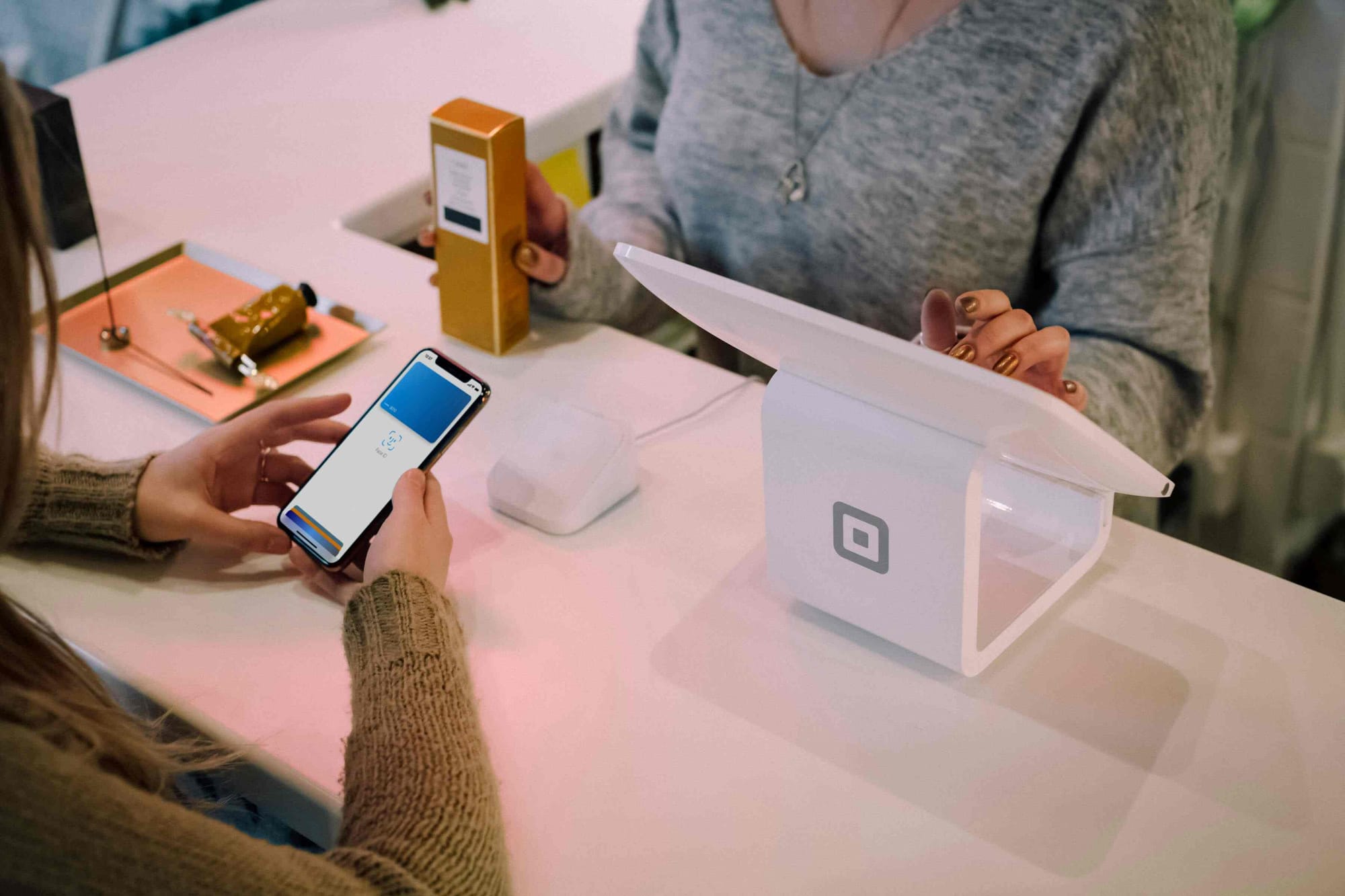
Square connects card processing with point-of-sale software and tools for retail, hospitality, appointments, invoicing and online sales. A business can begin with its free software plan and add paid operating features or hardware.
Square currently charges 1.75% for in-person transactions with UK cards and 1.4% + 25p for UK cards taken through its online store, checkout or ecommerce API. Manually entered and invoice card payments carry separate rates.3
Square can be a good fit when payment acceptance and day-to-day business operations need to share product, customer and stock information. The comparison should include hardware and the software tier required by the team.
4. SumUp
SumUp offers card readers, terminals, point-of-sale products, Tap to Pay and online payment tools. The pay-as-you-go plan currently charges 1.69% for in-person card transactions and 2.50% for online payments.4
Payments Plus costs £19 a month and lists an in-person rate of 0.99% for debit and credit cards, with higher rates for American Express, international, corporate and premium cards. SumUp positions this plan for businesses processing around £3,000 or more each month.
SumUp is practical for a business that wants to start taking cards quickly with a relatively simple operating model. Businesses needing complex online orchestration, marketplaces or highly customised payment flows should compare the developer and reporting capabilities in detail.
5. PayPal
PayPal supports account-based wallet checkout and card-funded commercial payments. Adding PayPal can help a business serve customers who prefer to use an existing PayPal account.
The UK merchant fee table uses several categories. The current standard rate for all other domestic commercial transactions is 2.9% plus a fixed fee, set at 30p for pounds sterling. Card-funded payments by users without a PayPal account, QR payments and international transactions have different rates.5
PayPal pricing needs to be modelled from the actual payment mix. Businesses should identify the expected countries, funding methods and checkout routes before comparing it with a single card-processing rate.
6. GoCardless
GoCardless specialises in bank payments, including Direct Debit and regular collections. It supports one-off, membership, subscription and instalment payments and connects with billing and accounting tools.
The Standard UK domestic rate is currently 1% + 20p per transaction, capped at £4, excluding VAT. Advanced and Pro plans have higher rates and additional payment-failure or fraud-management features.6
GoCardless is suited to businesses that need recurring collection under a mandate. Collection timing, customer notices, failed-payment handling and reconciliation are key parts of the operating model.
7. Adyen
Adyen provides an enterprise platform for online, in-person and app payments across markets. Its model is designed for businesses that want payment methods, acquiring, risk tools and settlement options through one global relationship.
The UK pricing page says Adyen charges a fixed processing fee plus a fee determined by the payment method. It currently displays a £0.11 processing fee and method-specific charges, including interchange-based card pricing. There is no setup or monthly fee for payment-method processing, while other Adyen products are priced separately.7
Adyen is generally most relevant to larger merchants with international, omnichannel and operational complexity. Buyers need a method-by-method quote and should include implementation, risk, settlement and reporting requirements.
How to compare payment processing companies
- Map the customer journeys. Record where customers pay, which devices they use and the methods they expect.
- Separate one-off and recurring payments. A customer-authorised Pay by Bank payment, a card payment and a Direct Debit collection have different permissions, timing and status.
- Calculate the full monthly cost. Include fixed fees, percentages, subscriptions, allowances, hardware, software, currency conversion and staff time.
- Verify payment status. Ask which event confirms authentication, authorisation, initiation, processing, bank credit or provider payout. Staff messages should match the event received.
- Check access to funds. Read the provider's current settlement or payout terms for each method. Avoid assuming that a successful customer redirect proves bank credit.
- Test reconciliation. Ensure the order reference, gross amount, provider fee and bank receipt can be matched. Use our small-business reconciliation process to design the controls.
- Review integrations. Confirm the exact ecommerce, accounting, booking or point-of-sale products supported today.
- Plan resilience. Define the fallback when a device, bank, gateway or provider is unavailable.
Provider choice by business type
Retail and hospitality
Square and SumUp provide familiar card acceptance with hardware and point-of-sale options. Wonderful can add a bank-payment route for QR, Tap or payment-link journeys where the customer and bank coverage fit. Compare queue speed, staff prompts, connectivity and the cost at typical basket values.
Online retail
Stripe, Square and PayPal offer established online checkout routes. Wonderful provides Pay by Bank through integrations and API-led journeys. Check mobile completion, plugin maintenance, payment status and the total price for domestic and international customers.
Professional services and invoices
Payment links and Pay by Bank can reduce manual entry for one-off invoices. Card links may help customers who prefer cards. Regular collections may suit GoCardless where the service relationship supports a mandate.
Subscriptions and memberships
GoCardless provides recurring bank collection, while Stripe supports card and bank payment methods alongside subscription billing. The billing system must calculate the amount and maintain subscription state. Read the subscription billing software comparison for that separate decision.
International and platform businesses
Stripe and Adyen offer broad international and platform capabilities. The decision usually turns on markets, payment methods, acquiring model, technical integration, reporting and negotiated commercial terms.
Questions for a provider shortlist
- Which payment methods and customer countries are supported for this account?
- What are the standard and negotiated charges for the expected transaction mix?
- Which hardware, software plan and integration work are required?
- What payment status events are available to the checkout and support team?
- When are funds normally available, and what evidence confirms that state?
- How are provider fees and payment references represented in reports?
- How will the business operate during a provider or bank outage?
- Can payment and customer records be exported in a usable form?
A strong payment provider fits the customer's preferred way to pay and gives the business reliable status, clear costs and workable records. Many businesses will use more than one provider to cover counter, online, invoice and recurring journeys.
Footnotes
- Wonderful: plans and pricing, accessed 18 August 2026.
- Stripe: UK pricing, accessed 18 August 2026.
- Square: UK processing fees and plans, accessed 18 August 2026.
- SumUp: UK pricing, accessed 18 August 2026.
- PayPal: UK merchant fees, last updated 22 January 2026 and accessed 18 August 2026.
- GoCardless: pricing, accessed 18 August 2026.
- Adyen: UK payment-method pricing, accessed 18 August 2026.